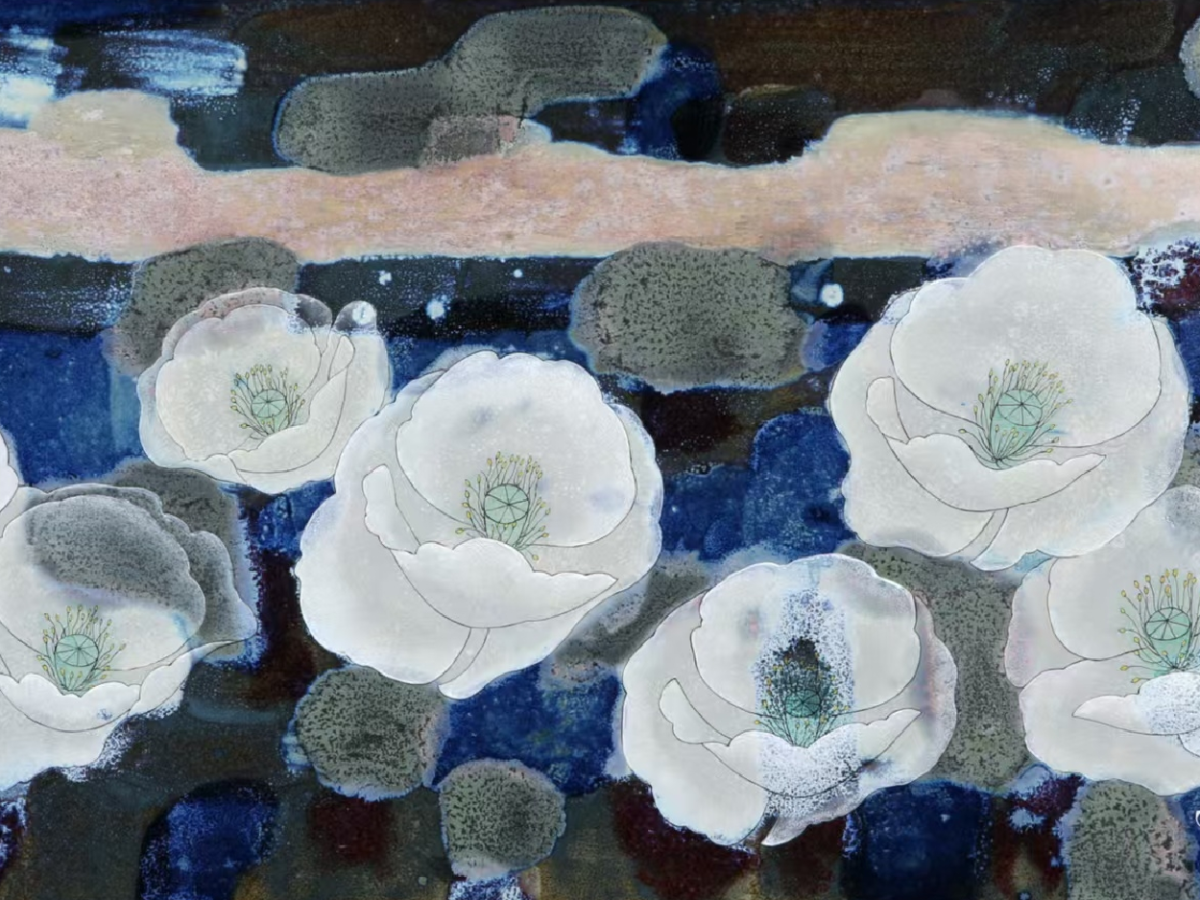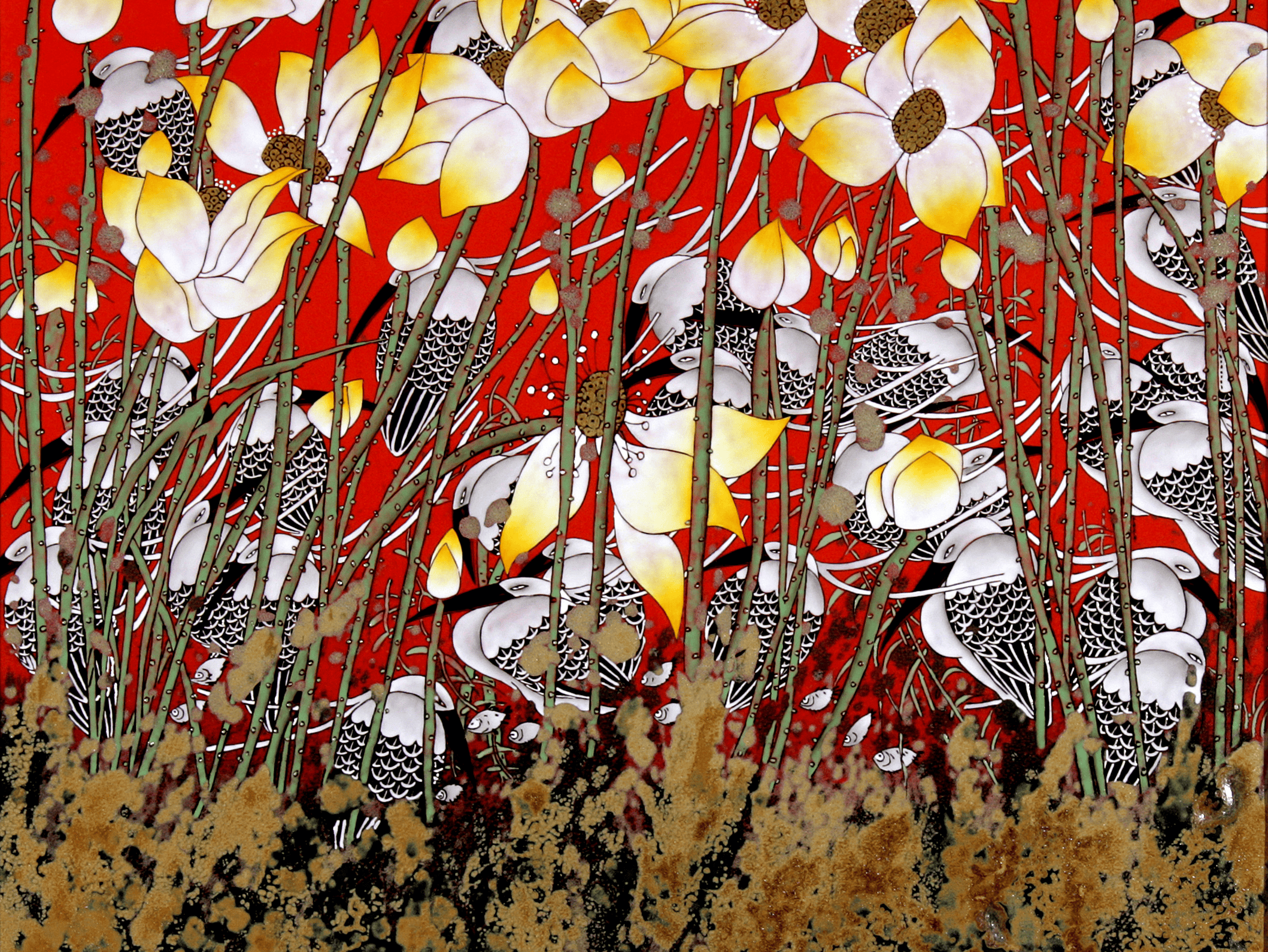
Stoneware figure represents a striking expression style with a enduring legacy, reaching back multiple of times. From ancient containers to up-to-date showcases, the medium offers unequalled possibilities for creative presentation. Artists work with several techniques – including constructing, wheel operating, and sophisticated firing processes – to alter humble mud into pleasing three-dimensional objects. The durability of fired terracotta also contributes to its status as a truly noteworthy part of human culture.
Analyzing Ceramic Shield Patterns and Techniques
The field of ceramic marker design offers a extensive array of expressive possibilities. Crafters often engage a assortment of established and innovative techniques to create visually striking pieces. These can range from simple, hand-carved reliefs to complex, multi-layered compositions. Common methods include the slip cast process, artisanal shaping, surface glazing – which can involve a range of forms like painting beneath the glaze, top glaze design, and carved drawing where designs are brought out by peeling off a layer of enamel. More investigation into top layers such as raku and lustre decoration can yield truly rare and specialized clay markers.
- The slip cast process - Creating pieces using a model
- Hand Shaping - Meticulously shaping the dirt
- Glazing - Smearing the layer with a shiny finish
- Scratched design - Uncovering designs by scraping films
Captivating Experiences: Ceramic Art Expositions
The growing landscape of creativity presents exciting groundbreaking avenues for spectators, and ceramic art installations are at the leading edge of this development. These aren't just static works; they are crafted to envelop the audience member in a sensory atmosphere. Imagine walking through a forest of towering, decorated ceramic trees, or navigating a network of sensitive ceramic vessels. Many designers are now incorporating harmonies, radiance, and even scent to enhance the mood of their work. Picture the power of a room filled with hundreds of thoughtfully ceramic creations, each telling a fable. Regularly, such installations probe themes of natural world, heritage, and the individual.
- These particular installations blur the divisions between figure and environment.
- Viewing a ceramic art installation can be a deeply affecting journey.
- Sculptors are extending the thresholds of what is possible with clay.
One Beauty of the Pottery Receptacle: Purpose and Outline
The ceramic urn represents a extraordinary combination of efficiency and stylish appeal. Historically, these receptacles served a fundamental job in storing substances, but their maturation has transformed them into highly valued works of creation. Each element showcases the expertise of the maker, demonstrating how contour can be as important as role. The thoughtful shaping, the rare glazes, and the general presence of a skillfully-formed holder can elevate a space, offering both elegance and a modest reminder of the maker’s hand.
Contemporary Clay Creation : Reaching Perimeters
Contemporary clay work represents a fascinating transition from customary practices. Builders are actively innovating with different processes, dissolving the frontiers between design and additional craft disciplines. From monumental installations to detailed miniature pieces, these kinds of works delve into themes of persona while parallelly transforming the fundamental of what terracotta can realize. The byproduct is a active environment of inspired presentation.
Terracotta Panel: Conserving Legacy in Porcelain
Earthenware plaques offer a special method for registering significant events and individuals. Compared to traditional metal or stone markers, these long-lasting pieces of craftsmanship are formed from fired clay, creating a substantial link to the earlier period. Habitually, they present intricate embossments or artistically decorated imagery, illustrating stories that might otherwise be lost. The technique, going back to ancient societies, provides a visually ceramic sculpture appealing and enduring way to celebrate our collective story.
- These particular can be set in open spaces.
- Several are now considered historical valuables.
Terracotta Art Exhibits: Transforming Places
Stoneware art installations are becoming a powerful medium for makers to reinvent public and private venues. These immersive projects frequently involve extensive clay forms that attract viewers, transforming their understanding of the engineered environment. By adopting diverse techniques like modeled construction and sophisticated firing methods, ceramic artists develop truly remarkable experiences, overlapping the separations between sculpture and building. The outcome is often a touching shift that raises the stylistic quality of the space and promotes debate.
Start Wheel to Spectacle: The Process of the Pottery Vessel
The journey of a pottery vessel from a simple lump of material to a finalized work of design is a testament to human resourcefulness. Historically, the process originates with the potter’s spinning device, where the proficient artisan constructs the whirling loam into a cylindrical shape. This preliminary section demands finesse and a perceptive eye, followed by a delicate drying period. Once initially cooked, the receptacle is ready for embellishment, which may engage designing intricate designs, cutting detailed portraits, or using a range of layers. The final heating process then converts the artifact into a durable and stunning container, a tangible representation of the designer's vision.
Working with Stoneware: A Primer to Ceramic Craft
Investigating the area of porcelain art begins with grasping the principles of forming with terracotta. One process requires precisely composing and reducing components to make three-dimensional models. If you're a neophyte or a seasoned maker, playing with assorted sorts of pottery – for example ceramic – will support you detect your personal technique. At last, terracotta carving is a fruitful process that fuses professional proficiency with innovative communication.