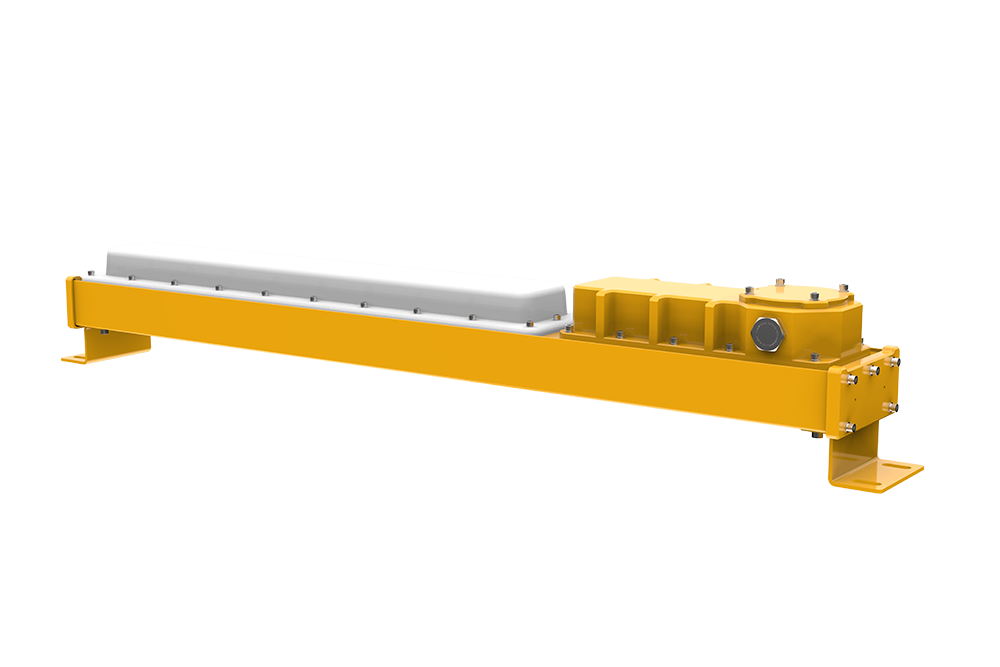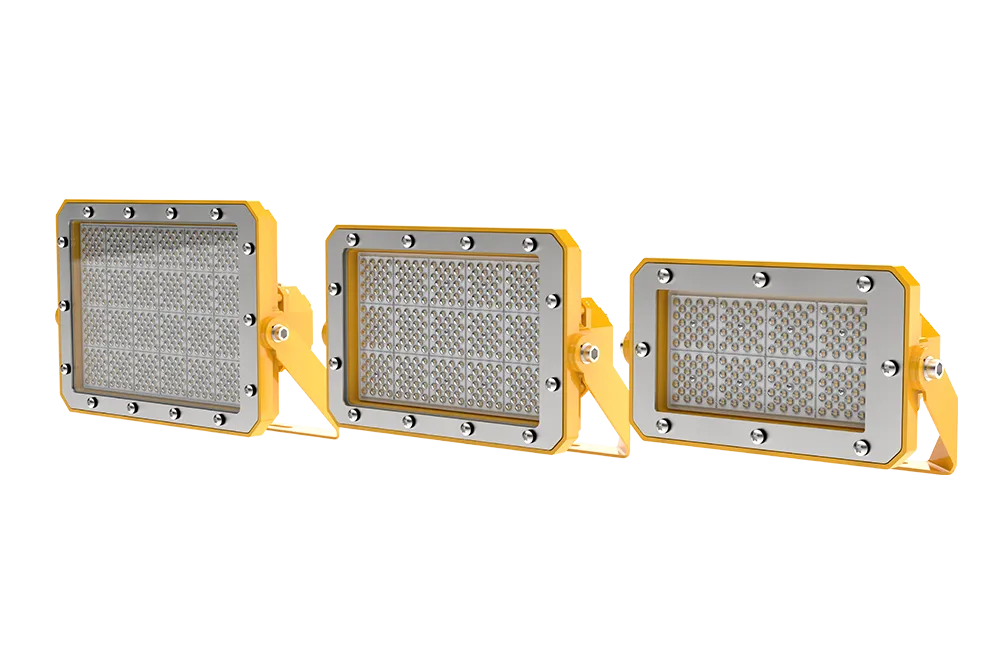
Embarking the present composition investigates these techniques with intrinsically safe systems among manufacturing fields.
Running reliably amid unsafe places particularly refinery plants entails tailored implements for the purpose of block foreseeable incidents. Flame-proof illumination units are critical features in related sites, produced to endure sparks, explosive vapors, and ignitable fields. Each contraptions are not naturally sound; rather they are engineered to contain any inner electrical fault or flash and inhibit it from producing a extended burst in the surrounding space. This explanation provides crucial knowledge about explosion-proof units, their uses, and hazard prevention matters for implementing them safely.
Decoding Explosion Proof Lighting Standards
Adhering to these ignition-proof lighting regulations can be complex, especially within domains involving hazardous spaces. These rules – often referring to regional bodies namely the National Electrical Authority (NEC), ATEX (Europe), and IEC – dictate strict design and implementation techniques to lessen the hazard of burning from voltage-based tools. Understanding these standards is essential for ensuring personnel safety and conformity with statutory responsibilities.
Semiconductor Spark Proof Emission Units: Functionality & Guarding
Crystal-Based explosion proof fixtures offer a major upgrade over legacy halogen illumination in environments where combustible gases are observed. These hardy apparatus just yield excellent efficiency in power use, yielding cut-down financial outlay, but notably promote a greater scale of preservation by stopping the possibility of explosions caused by energy sparks}.
Explosion Hardened Combustible Zone Dangerous Proof Combustion Flare Glow Resistant} Luminaires : A Elaborate Digest
Explosion Proofed Dangerous Region Hazardous Proof} Fixtures are specially crafted lighting devices built to operate safely within plausibly combustible atmospheres. These hardy fixtures avoid sparks, heat and electric discharges from producing a major explosion. They typically incorporate cutting-edge designs, utilizing exemplifying airtight housings and intrinsically safe energy parts to preserve safety requirements in workplaces like hydrocarbon & gas processing, production plants, excavation operations, and chemical production.
Choosing the Optimal Hazardous Area Units for Hazardous Settings
Identifying the most fitting intrinsically safe devices for a specific regulated area demands in-depth scrutiny. Aspects such as the class (e.g., Group I, II, or III and sectors 0) should be exactly verified to confirm agreement with relevant risk directives. Beyond the region's basic liabilities, think about external features, including climate and precipitation, to pick a durable and protected fix. Typically liaise with a certified professional to advise your conclusion.
Regions Where Are Explosion Proof Lights?
Explosion-proof also known as intrinsically safe|hazardous location|Class-rated} lighting fixtures are undeniably needed in particular areas where dangerous gases or particulate matter could conceivably create a explosive atmosphere. This commonly includes refinery manufacturing plants, lacquer application areas, wood handling facilities, and wastewater treatment locations. Regulations, such as those from NFPA and NFPA, require their deployment in these sites to reduce the risk of combustion and secure security stability.
Gains of Luminescent in Blast Resistant Luminaires
Adopting Luminescent technology for blast-proof fixtures offers a substantial quantity of benefits. First, LEDs boast a remarkably longer functional period compared to traditional fluorescent fixtures, reducing repair charges and interruptions. They are also inherently safer, producing mitigated thermal flux which curtails the potential of sparking in treacherous atmospheres. What is more, crystal lights are significantly efficient, leading to lower current draw fees and a diminished environmental imprint. Finally, the hardy build of Semiconductor appliances tolerates the harsh milieus typical of fire-safe areas.
- Longer Activity Span
- Diminished Upkeep Payments
- Augmented Safety
- Diminished Power Expense
- Augmented Durability
Controlling and Examining Explosion Proof Lighting Systems
Systematic servicing and careful review of explosion-proof lighting configurations are critically fundamental for guaranteeing protection and avoiding potential menaces. This involves a systematic review of all parts, such as lighting installations, piping, electric cables, and associated junction enclosures. Particularly, confirm for erosion, mechanical defects, and effective earthing. In addition, guarantee that each signs are legible and that the illumination sources conforms to relevant protocols.
- Accomplish external assessments.
- Analyze wire interfaces.
- Validate fire-proof compliance.
Advancing of Explosion Proof Lighting Technology
Developing landscape of explosion-proof devices technology signals a considerable shift from traditional designs. Future applications will widely incorporate smart capabilities, enabling virtual monitoring, diagnostics, and interactive control. We project a heightened adoption of LED technology, not only for its intrinsic energy efficiency, but also its potential to facilitate incorporated sensors for recognizing perilous conditions. What is more, materials examination is fostering innovations in tough housing explosion proof lighting units materials, allowing for trimmed and upgraded designs, while maintaining the required levels of safety.
- Improved battery life for portable applications.
- Combination with proactive maintenance systems.
- Development of self-cleaning lens technology.