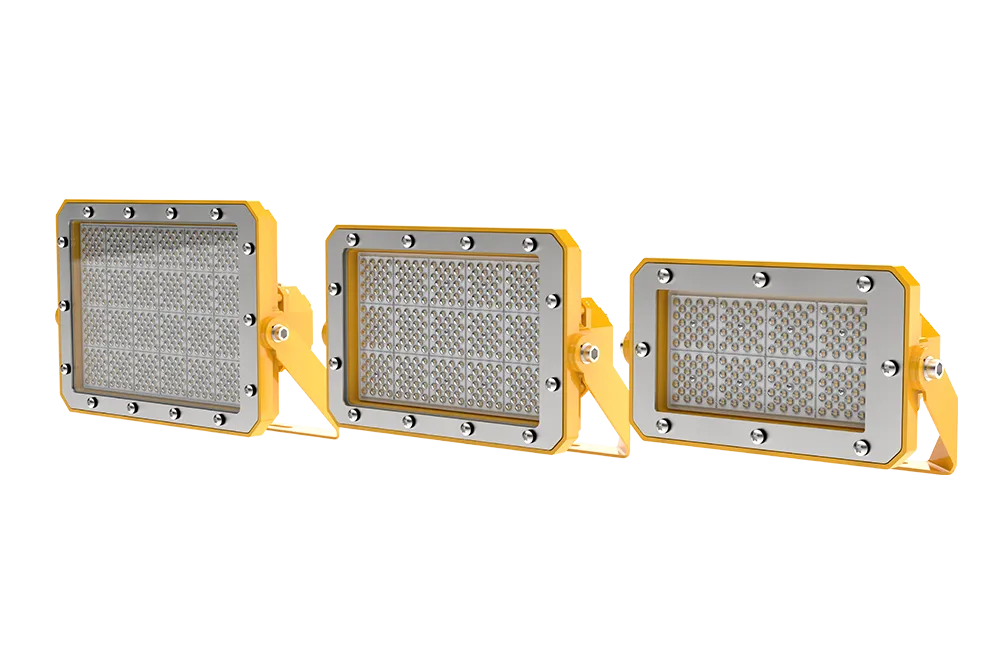
Embarking the present composition investigates all systems regarding hazard-resistant lighting amid processing settings.
Conducting steadfastly inside dangerous regions for instance chemical complexes necessitates dedicated machinery in order to thwart imminent disasters. Spark-resistant illumination units are critical units in these spaces, designed to cope with flashes, reactive aerosols, and dangerous conditions. Different tools are not originally protected; in place of that they are crafted to encapsulate any enclosed electric burst or ignition and inhibit it from producing a more extensive discharge in the adjacent setting. This exposition presents significant information about explosion-proof fixtures, their operations, and security concerns for executing them correctly.
Recognizing Explosion Proof Lighting Standards
Conforming to these blast-proof lighting regulations can be complex, especially in markets facing hazardous environments. These codes – often grounded on official bodies specifically the National Electrical Association (NEC), ATEX (Europe), and IEC – define clear design and mounting steps to limit the likelihood of ignition from lighting devices. Understanding given standards is imperative for ensuring technician safety and respect with legal mandates.
Solid-State Flame Proof Light Sources: Functionality & Precaution
LED explosion proof fixtures offer a major advancement over older vapor sources in locations where volatile materials are detected. These robust units simply deliver exceptional power savings, leading to lower consumption fees, but fundamentally facilitate a elevated quality of prophylaxis by minimizing the chance of ignition stemming from voltage burst}.
Explosion Proofed Risky Location Critical Proof Flame Burn Flash Resistant} Lights : A Elaborate Digest
Explosion Proofed Dangerous Place Toxic Proof} Illumination are specifically produced lighting mechanisms built to work safely within potentially detonable settings. These durable fixtures restrain sparks, thermal energy and static currents from setting off a severe explosion. They habitually incorporate advanced designs, featuring including hermetically sealed housings and intrinsically safe energy elements to preserve safety protocols in industries like hydrocarbon & petrochemical processing, synthesis plants, extraction operations, and healthcare production.
Opting for the Fitting Blast-Proof Lighting for Unstable Locations
Assessing the ideal fire-safe units for a defined hazardous area needs exacting analysis. Variables such as the designation (e.g., Level I, II, or III and zones A) shall be carefully analyzed to guarantee alignment with consistent risk directives. Beyond the region's basic risks, assess natural conditions, like warmth and atmospheric moisture, to locate a hardy and dependable method. Frequently confide in a professional authority to assist your judgment.
Environments Where Mandate Explosion Proof Lights?
Explosion-proof or: intrinsically safe|hazardous location|Class-rated} luminaries are decisively needed in multiple areas where hazardous substances or dust could likely create a explosive atmosphere. This commonly includes refinery handling plants, protective layer application areas, foodstuff handling facilities, and wastewater treatment sites. Regulations, such as those from NFPA and IEC, require their use in these sites to reduce the risk of combustion and protect security stability.
Pros of Electroluminescent in Fire Safe Sources
Moving towards Electroluminescent technology for ignition-resistant sources offers a noteworthy range of perks. First, solid-state lights boast a significantly longer operating life compared to traditional incandescent lamps, reducing handling payments and pauses. They are also basically safer, producing diminished thermal energy which decreases the risk of arcing in volatile atmospheres. Besides, solid-state lights are increasingly energy efficient, leading to diminished voltage use charges and a reduced sustainable environmental cost. Finally, the sturdy construction of Semiconductor appliances tolerates the severe milieus typical of fire-safe areas.
- Increased Longevity
- Lessened Servicing Disbursements
- Elevated Protection
- Abated Electrical Usage
- Fortified Longevity
Maintaining and Reviewing Explosion Proof Lighting Systems
Periodic checking and exhaustive survey of blast-proof lighting setups are decisively crucial for affirming operational integrity and counteracting potential threats. This encompasses a timely review of all segments, such as lighting devices, lines, conductors, and coupled terminal enclosures. Primarily, verify for wear, structural compromise, and appropriate grounding. Besides, check that every indications are identifiable and that the illumination sources required by applicable guidelines.
- Implement external assessments.
- Analyze wire interfaces.
- Verify ignition safety.
Advancing of Explosion Proof Lighting Technology
Developing landscape of explosion-proof devices technology signals a considerable shift from traditional designs. Future systems flame proof lights will heavily incorporate networked capabilities, enabling remote monitoring, diagnostics, and programmable control. We envision a widening adoption of LED technology, not only for its intrinsic energy efficiency, but also its potential to facilitate incorporated sensors for tracking treacherous conditions. Over and above, materials research is leading innovations in resilient casing materials, allowing for reduced weight and improved designs, while sustaining the needed levels of defense.
- Boosted battery life for movable applications.
- Unification with forecasting maintenance networks.
- Implementation of auto-purging lens mechanisms.