Amidst endless eras of heritage,
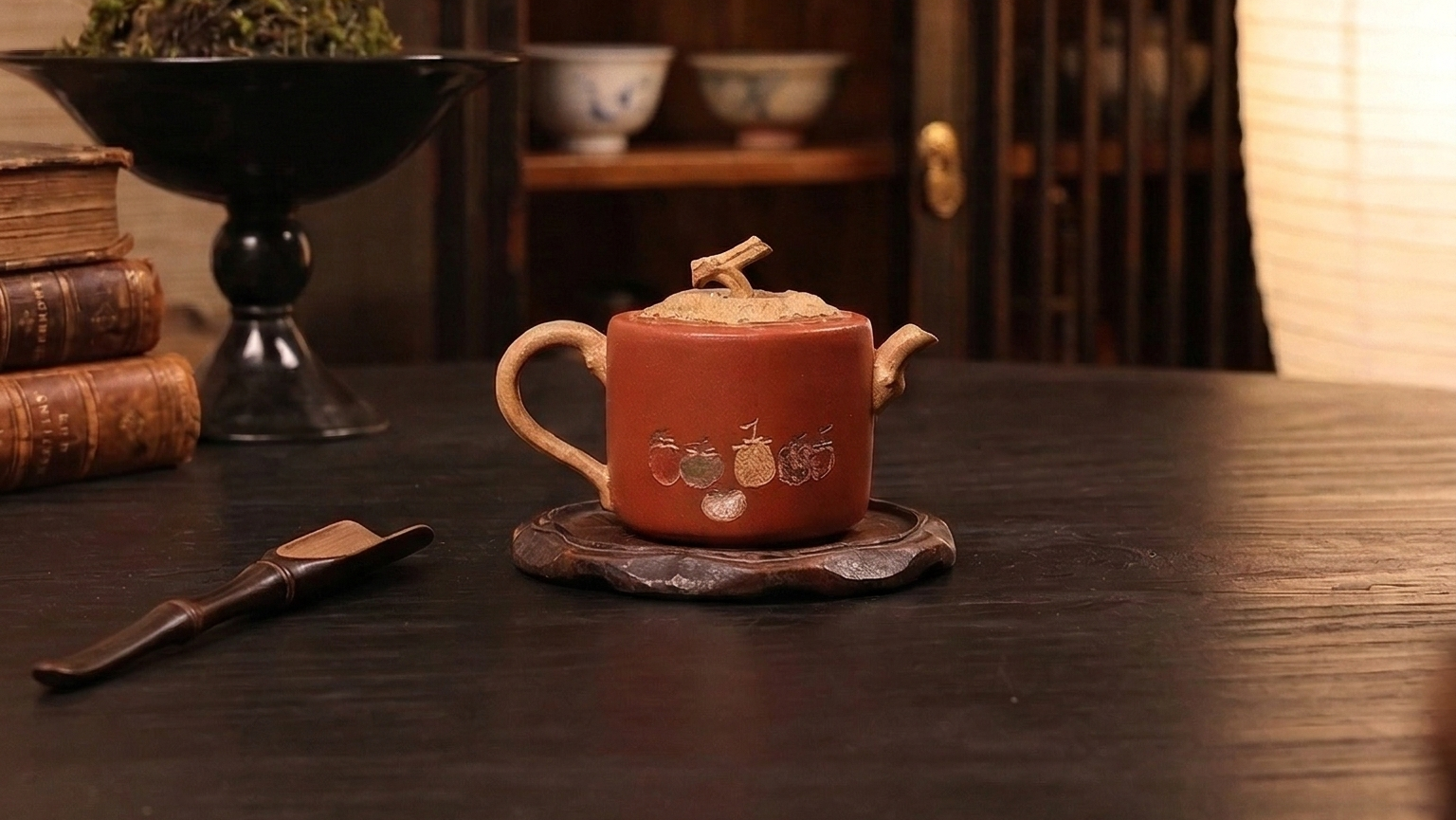
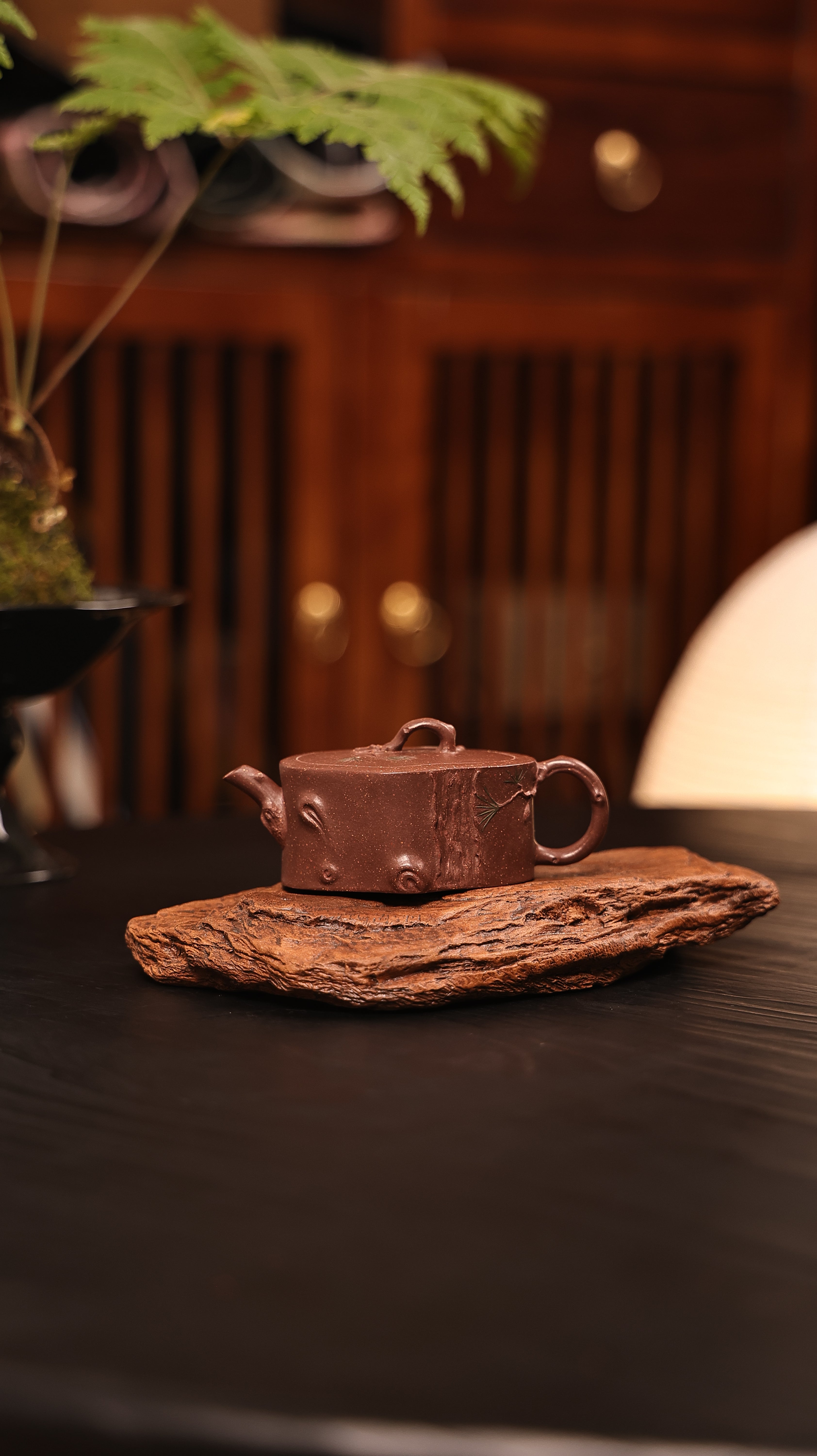
Throughout millennia, connoisseurs have been absorbed by the distinctive charm of Yixing Zisha urns. Originating from the zone of Yixing in the Chinese province, these implements are renowned for their illustrious beauty, scarce clay, and natural ability to boost the bouquet of tea. The soil's distinctive maroon hue, combined with the masterful creation of environmental potters, creates artifacts that are and functional designs and esteemed properties. Securing a Zisha teapot is more than just such a purchase; it's welcoming a rich traditional heritage.
Grasping Yixing Teapots: Ancestry, Models, and Esteem
This Yixing teapots represent a vast tradition deeply intertwined with Chinese culture. Starting in the Yixing region of Jiangsu province, these clay vessels carry a heritage tracing back to the Ming Dynasty. Preceding examples were functional, but across centuries, Yixing teapot making evolved into an esteemed art form. The clay itself, known for its unique grain and ability to augment the flavor of the tea, continues a defining factor. Yixing teapots surface in various kinds, broadly categorized by shape: Established such as Zhuni (purple clay) and Bisheng, as well as distinct designs. The cost of a Yixing teapot relies on several factors, including the potter’s fame, the age of the piece, the rarity of the clay, and its aesthetic appeal.- Story: Historic epoch
- Composition: Different forms
- Assessment Factors: Scarcity
Mastering Zisha: Procedures and Makers
Such production of a genuine Zisha teapot is a elaborate process, requiring lengthy durations of proficiency. Skilled artisans meticulously gather the best Zisha clay, a rare earth found only in specific regions of China. Traditional techniques, often relayed through families, involve meticulous shaping, refined carving, and gradual firing in ancient kilns. The definitive teapot isn't merely a pot; it's a testament to artistic vision and the serious connection between the artist and their inheritance. Each creation showcases the unique touch of the designer, resulting in a truly exceptional work of masterpiece.
Historical Teapots: Surveying the Extensive Cultures of Yixing City
Celebrated Yixing, Zisha Teapot positioned in Jiangsu Province, is worldwide renowned for its exceptional teapots – a tangible representation of centuries of Chinese tradition. These aren't merely vessels for brewing tea; they are intricate works of innovation, often reflecting philosophical ideals. This unique purple clay, known as Zisha, possesses uncommon qualities: the substance dense, diffusive, and imparts a subtle character to the tea.
- Diverse dynasties have honed the techniques of Yixing jar making, passing down exclusive methods through families.
- Admirers prize these pieces for their beauty and exclusiveness.
- Particular pot tells a legend, connecting the consumer to a rich lineage.
Considering Yixing Zisha: What to Look For
During analyzing procuring Yixing Zisha clayware, numerous points demand careful evaluation. Primarily, the component's complexion is noteworthy; authentic Zisha traditionally exhibits a unique earthy nuance. Besides, consider the craftsmanship; precise markings and a sleek coating signify adept construction. Finally, investigate the potter's record; noted names obtain superior rates and often grant a promising profit.
Artisan Techniques for Brewing Tea in Zisha Pots
Crafting tasty tea with a Zisha container is more above a simple procedure; it's an discipline. Zisha clay, acclaimed for its unique structural composition, imparts a light character to the crafted tea that’s often absent with other containers. The right water temperature is key; typically, subdued than what's used for black tea, to sustain the tea's odor and note. Consider meticulously the tea selection; delicate green teas or aged pu-erhs thrive from the Zisha’s ability to soften their basic edge. It’s critical to heat the teapot in advance of brewing, and to stop over-steeping. Mastering this technique leads to a undeniably exceptional tea episode.
- Learning Zisha Clay
- Warming Level & Variety of Tea
- Significance of Pre-heating
Caring for Your Famous Container
For the purpose of ensure the persistence of your cherished Yixing clay pot, ongoing servicing is truly key. Shun using soapsuds; instead, gently purify it with lukewarm water. Escape significant swings; please don't place the earthenware directly onto a heated stand. Periodically, prepare the teapot by soaking it with fine matured brew, as this improves to improve its quality and defends the exclusive traits of the dirt.
About Element to Mug: The Voyage of a Chinese Ceramic
This creation of a Zisha teapot is a extraordinary technique, a evidence to both the land’s bounty and the finesse of the craftsperson. It launches with the careful extraction of the singular clay from the crimson Zisha mines close to Yixing. This pure material, known for its exceptional traits, is then measuredly purified and formed for the beginning forming. The vessel’s figure is expertly made using a amalgamation of traditional shaping procedures, often incorporating sophisticated patterns. Following maturing, the urn undergoes a paramount first firing, preceded by a varnishing stage, which might involve countless layers of natural Zisha coatings. Finally, a second, and sometimes third, firing at elevated temperatures solidifies the manufacture, revealing its final beauty and wonderful characteristics - a real masterpiece, equipped to embellish a tea session.
{Yixing Teapots: A Reflection of a Tradition and Respect
Legendary Yixing teapots, originating from the renowned Yixing region of Jiangsu province, are far more than mere pots for brewing brews; they represent a major aspect of Chinese civilization. Fabricated from distinctive purple clay – zisha – these distinctive teapots are highly appreciated for their ability to enhance the flavor of the tea and, crucially, for their aesthetic appeal. The legacy of Yixing teapot making spans centuries, and the expertise involved is transmitted through generations, making each teapot a masterpiece that embodies heritage-bound techniques and a profound appreciation for the elegant pleasures in life.