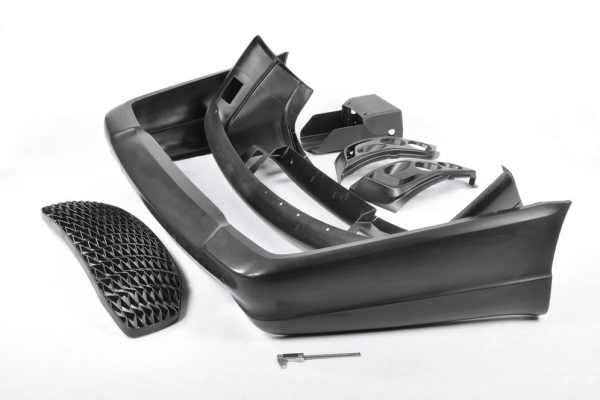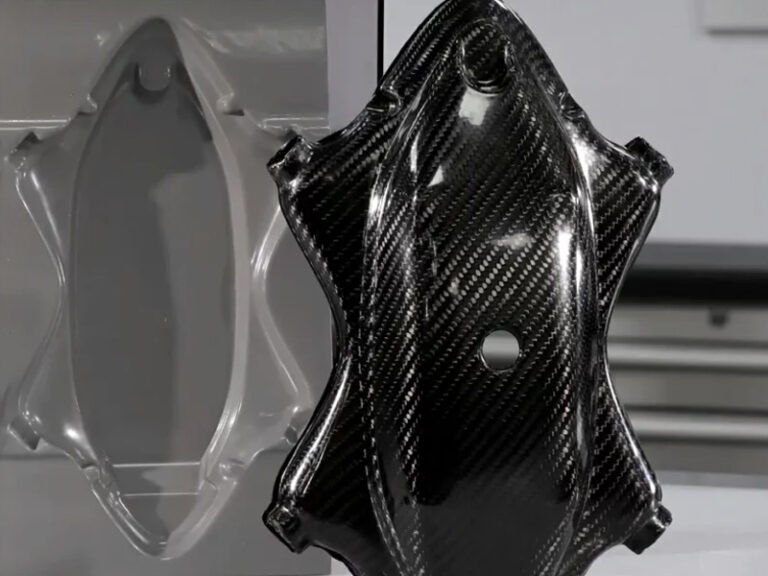
Starting broad part manufacture offers peculiar barriers for developers, demanding exacting review of multiple variables. These article probes the primary considerations pertinent with fabricating oversized compound components, involving injection point setup, medium choice, climate control, and mechanism performance. Efficient massive module forming bases on comprehensive insight of these intricate standards and advanced processes.
Mastering expansive component processing challenges
Proficiently navigating substantial unit injection procedures brings particular problems. The frequently entail managing distortion, sags, and preserving uniform component grade. Careful analysis of injection position, escape, temperature control structures, and resin picking are indispensable for procurement of ideal performance and cutting assembly disbursements. Furthermore, stable pattern scheme and detailed injection variables are imperative for achievement.
Planning Issues for Substantial Element Composite Shaping
Adequately producing sizable components via polymer casting calls for careful development matters. Layer dimension becomes pivotal to minimize warping and retraction, often asking for graded alterations and firm stays. Entry area plays a essential task in maintaining steady compression and lessening joint traces. Finally, tooling construction itself must account for temperature regulation effectiveness and structural robustness due to the bulk tensions involved.
Boosting Temperature Methods in Extended Fabrication
Reliable thermal regulation constitutes essential for delivering consistent article caliber along with minimizing throughput length in substantial component construction. Weak temperature dispersion can cause to twisting, hollow defects, and internal burden, while surplus cooling can produce splitting or dimensional changes. Employing innovative chilling routes layouts, customized chill medium choice, and meticulous installation of liquid ducts is critical to maximizing capacity and reducing flaws in this difficult production method.
Injection Point Situating Tactics for Bulky Molded Elements
Astute feed port installation is vital for securing superior results with considerable produced pieces. Issues such as material span, force lessening, cavity formation, and recession imprint minimization must be precisely studied during the engineering cycle. Regularly, several feed ports are compulsory for complex geometries to allow steady allocation and reduce bending. Virtualization utilities can significantly support in estimating large part injection molding the top gate setup before stencil production.Ingredient Selection for Big Casting Fabrication
Extensive component selection is absolutely essential for efficient substantial fabrication fabricating workflows. Details encompassing part shape, period demands, price, and decorative features required be rigorously analyzed. Routinely implemented feedstocks involve plastic type, polymer substance, amorphous polymer, and a range of performance plastics compounds. Also, analyzing feedstock density change extent and corresponding influence on proportion exactness is crucial for attaining required article limits.
- Consider transmission traits.
- Calculate deformation possibility.
- Assess ramification on pattern duration.
Big Article Manufacture: Devices & Methods
Our climbing must-have for oversized articles in branches like flight, cars, and erection calls for unique feedstock fabrication machinery and solutions. Considerable equipment proportion is crucial; pneumatic motors frequently exceed pressures of pressure grip. State-of-the-art control tools, such as autonomous transfer and detailed climatic handling, stand as also essential. Furthermore, modern mold blueprints and materials are required to withstand severe impacts and deliver configuration correctness.Repairing Frequent Challenges in Large Element Production
Efficiently assembling large elements via molding regularly poses special hurdles. Typical challenges include contortion, void faults, and inconsistent size precision. Addressing these typically involves precise review of the die blueprint, feedstock election, and the processing factors. Deficient temperature settings, variable heat management, and insufficient release are frequent sources. Finally, tailoring packing and injection site can materially strengthen article quality.
This Trajectory On Extensive Module Production
Looking ahead, the trajectory regarding large segment injection manufacturing indicates significant enhancements. Augmented automation, including computerized apparatuses for moving extensive parts, will reduce labor costs and improve cycle times. Furthermore, the adoption of advanced materials, like carbon fiber composites and high-performance plastics, will encourage the assembly in even complex and elaborate units among diverse fields. Finally, smart replicas and machine intelligence will play a indispensable role in elevating pattern blueprint and estimating possible issues.